Good vs Bad Gutter Guards
Choosing the right gutter guards can make a huge difference in protecting your home. Many homeowners are tempted by cheap DIY gutter guard options, but these often fail to perform and don’t last in Australia’s harsh conditions. In contrast, professionally installed, high-quality gutter guard systems provide long-term peace of mind. In this guide, we’ll compare good vs bad gutter guards – from materials and installation to fit and warranties – so you can make an informed decision for your home.
Quality gutter protection isn’t just about keeping leaves out. It’s about investing in a system that truly works year after year, withstanding heavy rain, scorching sun, and even bushfire embers. Let’s dive into what sets a good gutter guard apart from a bad one, and why the right choice will save you time, money, and headaches in the long run.
When evaluating gutter guard systems, look for these hallmarks of a high-quality, professionally installed product:
Professionally Installed – Expert installation for optimal performance
Fire-Compliant Materials – Non-combustible, bushfire-rated components (meets Australian standards)
Colorbond® Powder-Coated Finish – Durable coating in Colorbond® colours to prevent rust and UV damage
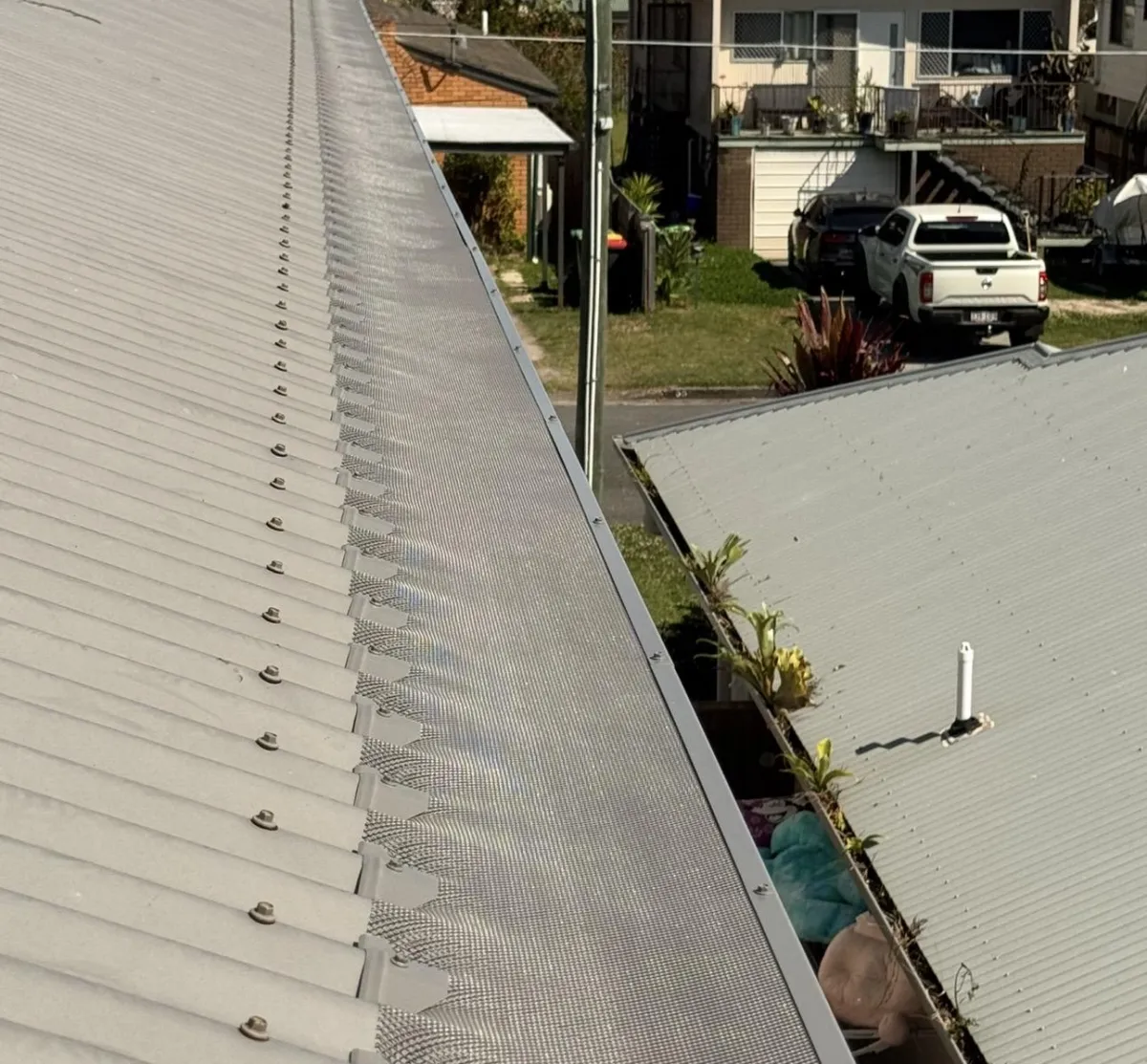
Secure, Profile-Matched Fit – Custom fit to your roof profile (corrugated, tile, Trimdek, etc.) with no loose edges
No Gaps for Birds or Pests – Seamless coverage that keeps out birds, rodents, and vermin
Long-Term Warranty Support – Backed by solid product and workmanship warranties (e.g. 20-year guarantee)
Aluminium vs Plastic Section
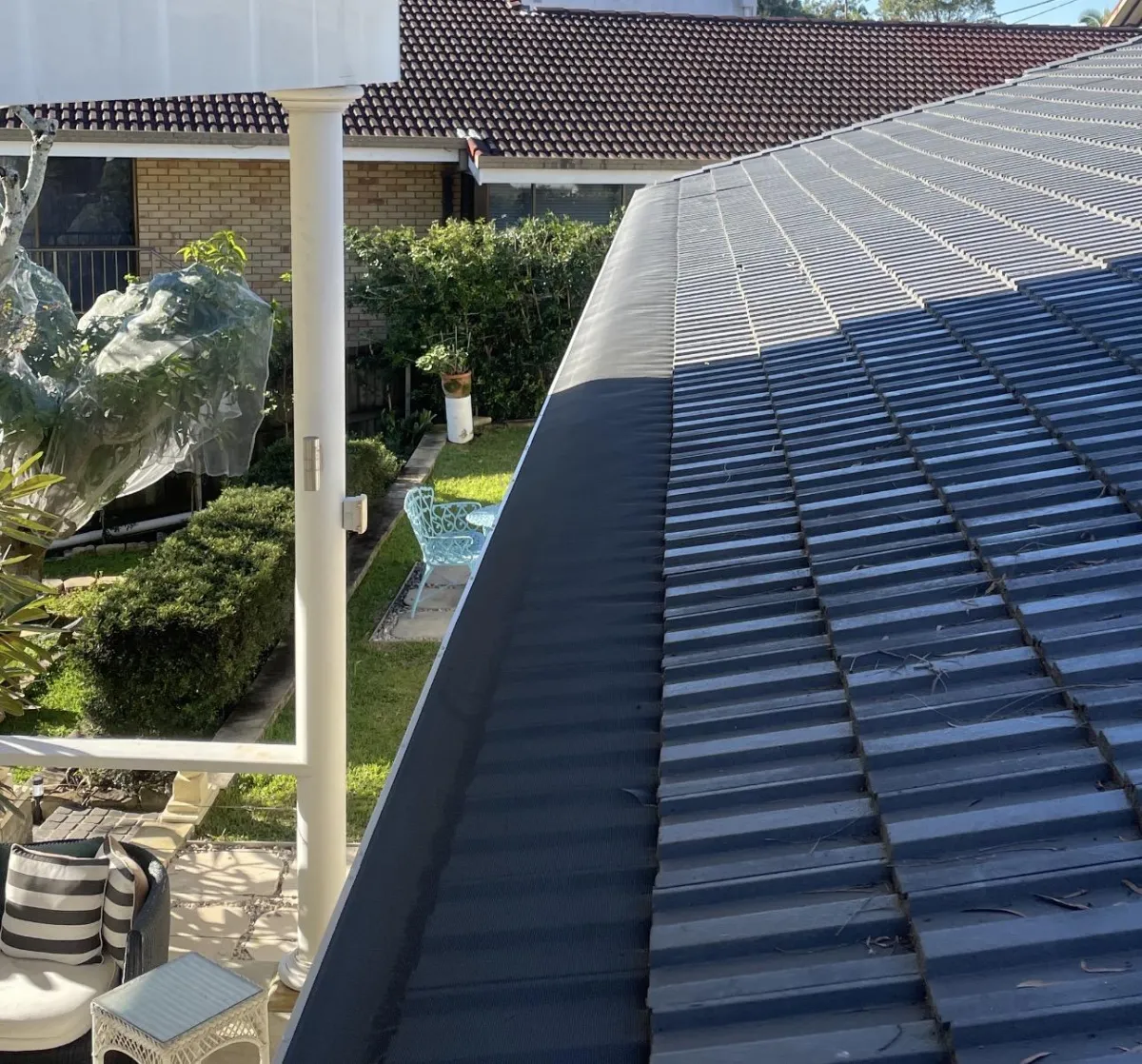
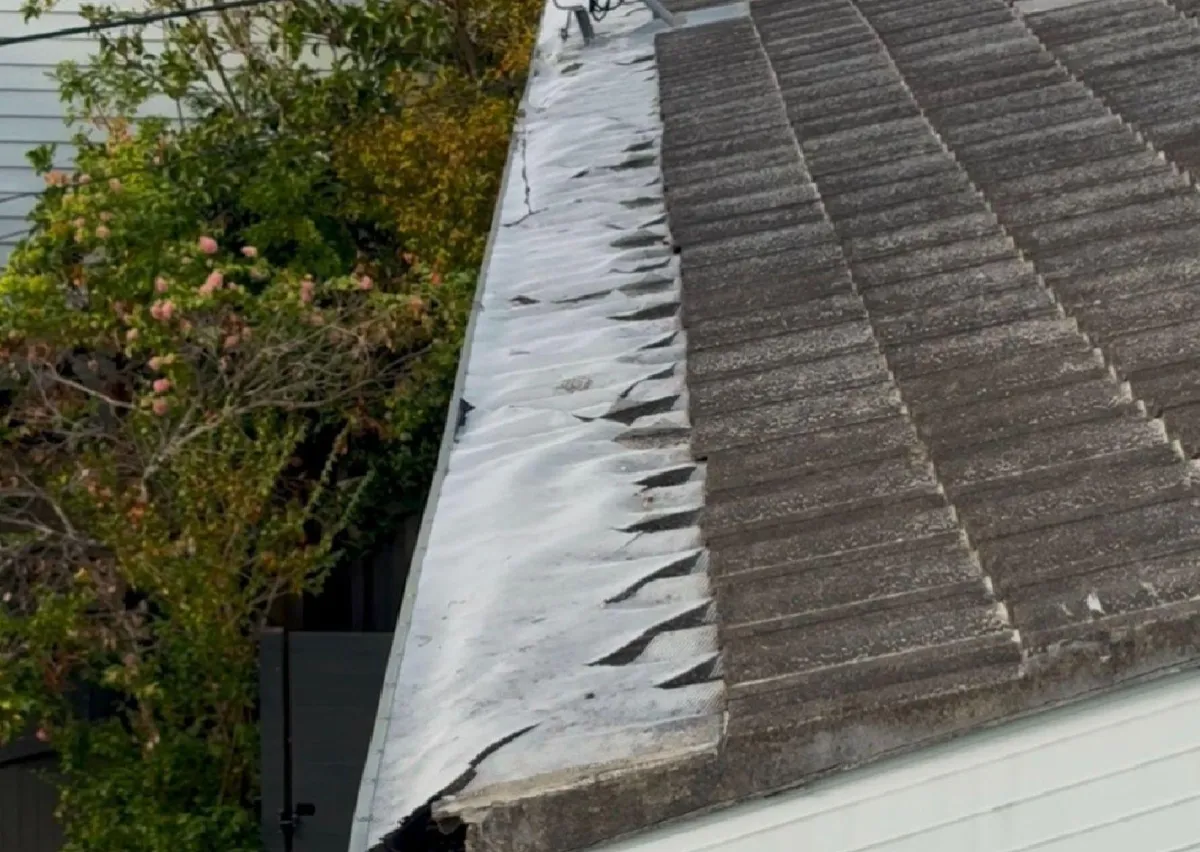
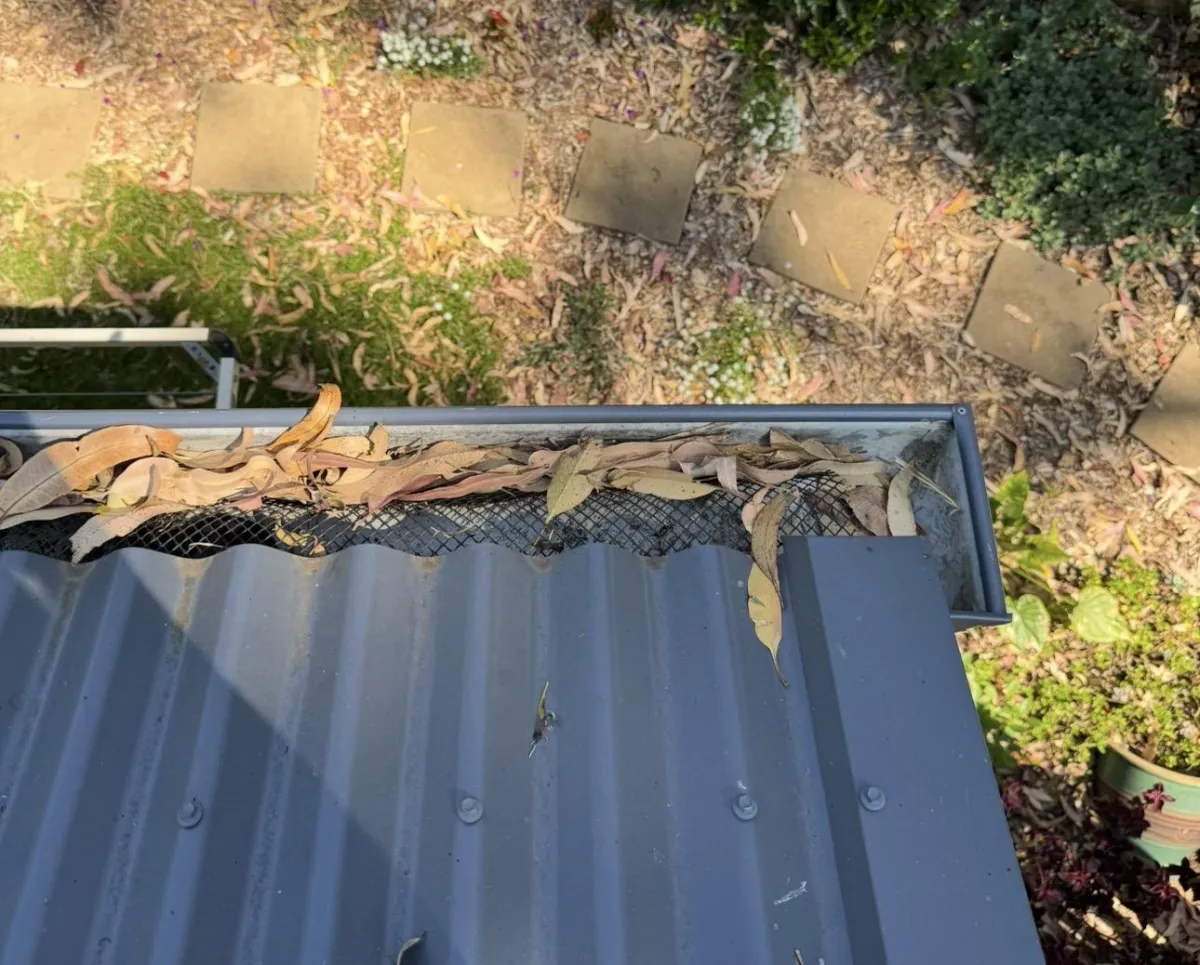
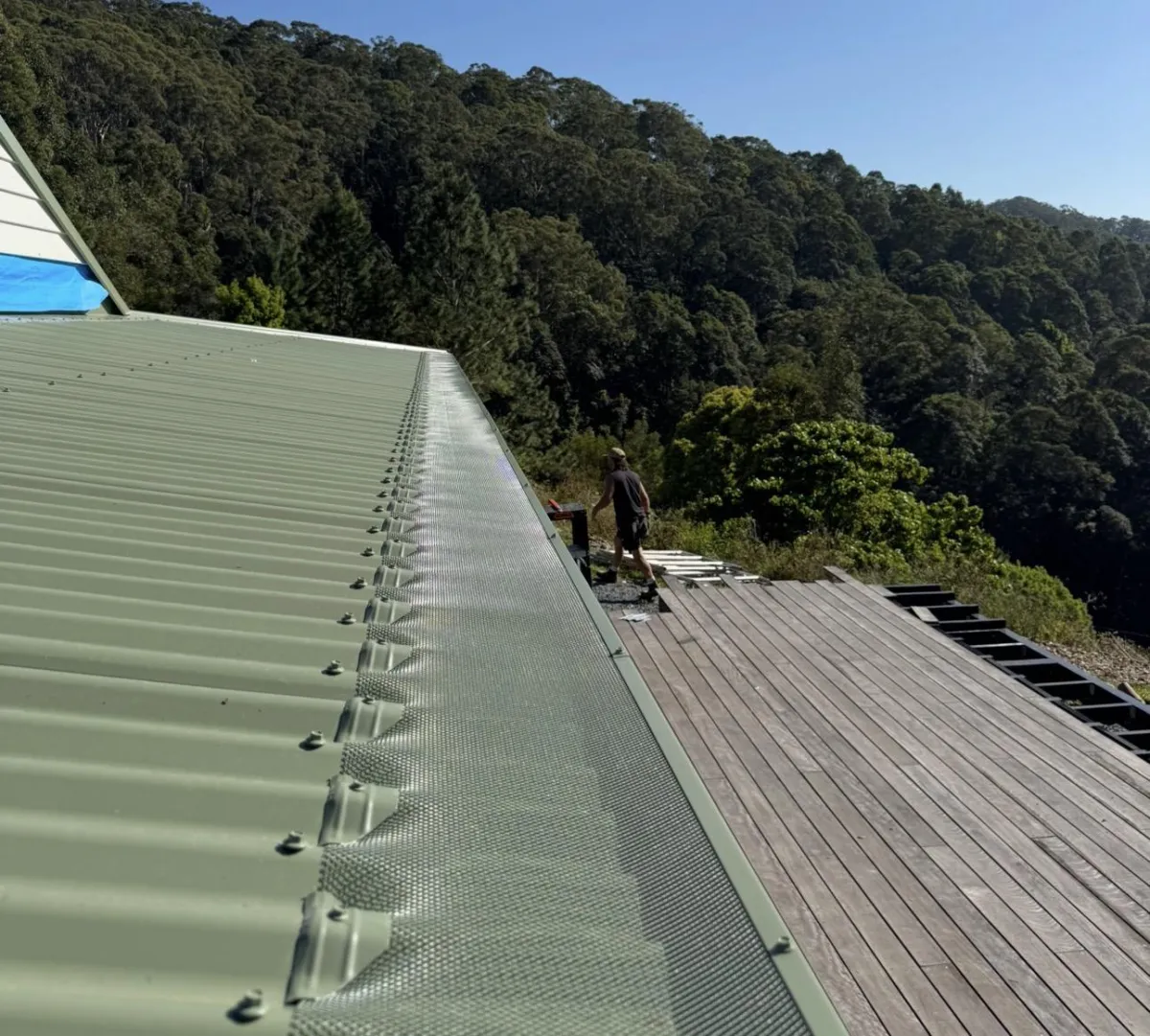
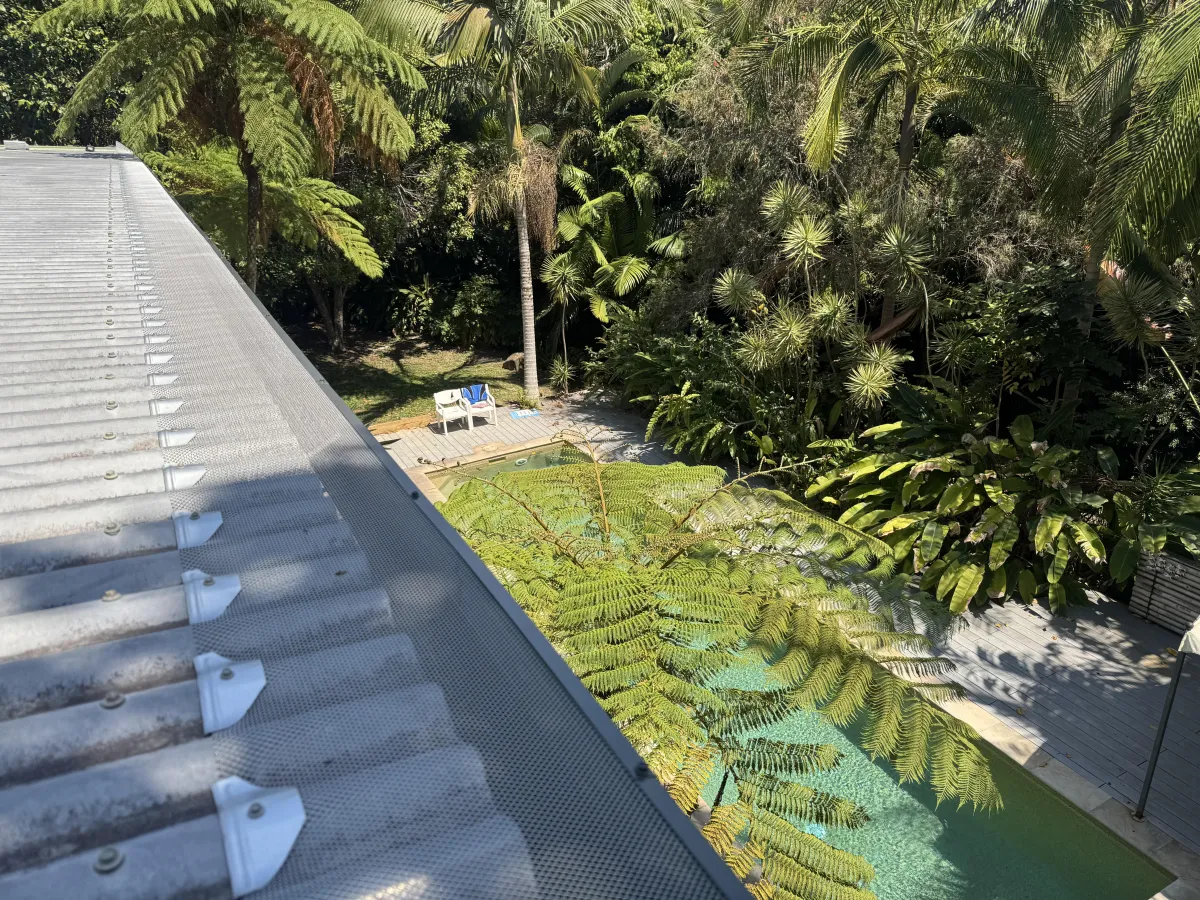
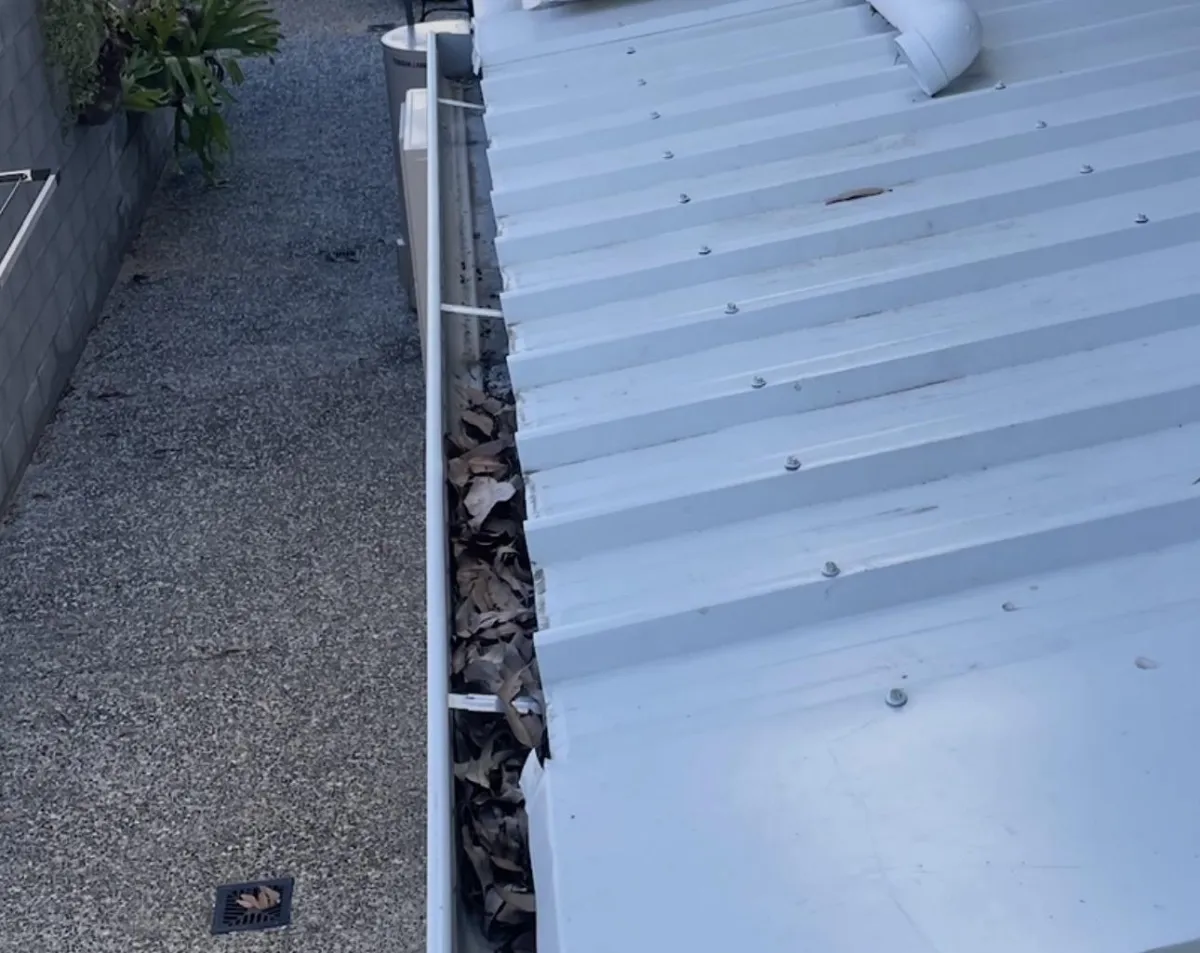
Good gutter guards use rust-proof metal mesh (usually powder-coated aluminium or steel) for strength and reliability. Bad gutter guards often use plastic mesh that might save you a few dollars upfront but will likely need replacement after a short time – potentially costing you more in the long run.
Material matters. High-quality gutter guard systems use marine-grade aluminium or steel mesh, while cheaper alternatives rely on flimsy plastic or PVC. Here’s how they stack up:
Durability- Aluminium mesh gutter guards are built to last for decades. They won’t crack or warp under the hot Australian sun, and they withstand heavy rain, hail, and wind without deteriorating. Plastic gutter guards, on the other hand, may start out working okay, but they become brittle and warped over time. Intense UV exposure and heat can cause plastic guards to sag into your gutters or even crumble, leading to gaps and clogs. In short, what might seem like a bargain plastic solution could fail after a couple of summers, while aluminium keeps protecting year after year.
Fire Safety- In fire-prone areas, metal gutter guards are the only safe choice. Aluminium and steel meshes are fire-compliant materials that won’t ignite or melt if exposed to stray embers. Plastic meshes are not bushfire safe – they can melt or catch fire, potentially allowing embers to ignite dry debris in your gutters. In fact, Australian standards for bushfire zones (BAL ratings) require metal ember guards with fine apertures. A good gutter guard system will use certified ember guard mesh (2 mm hole size) to meet these standards, whereas a bad system might use plastic or large-hole mesh that offers no fire protection. (For a deeper look at mesh sizes for ember protection, see our guide on 2 mm vs 4 mm Aluminium Mesh.)
Performance- Quality aluminium mesh has a carefully engineered hole size (often 2–4 mm) that lets in plenty of rainwater while blocking even small leaves and debris. It’s also corrosion-resistant and often coated for longevity. Cheap plastic mesh might have larger openings that let debris through or too fine openings that quickly clog with dirt. Plus, plastic can collapse under the weight of wet leaves. Metal mesh retains its shape and strength, maintaining optimal water flow into your gutters and away from your home.
Powder-Coated vs Uncoated Guards Why Finish Matters
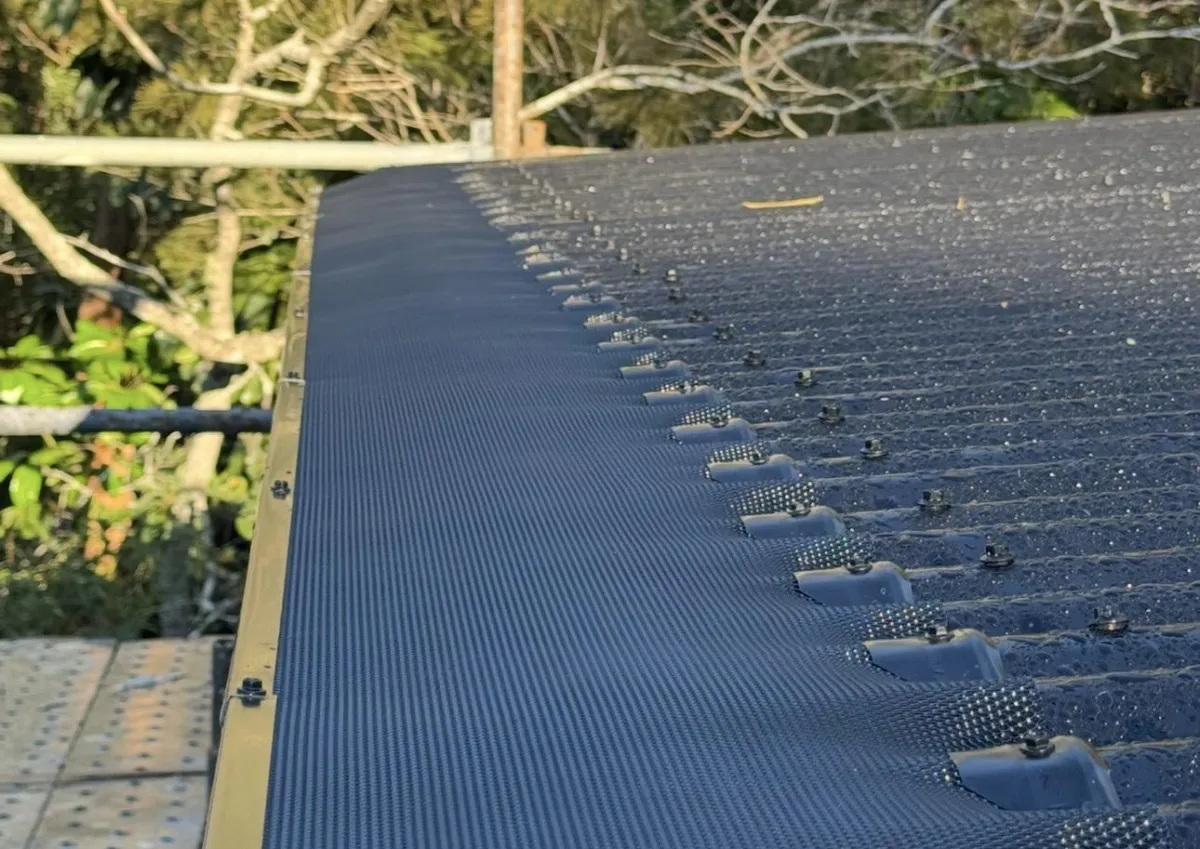
Premium gutter guards combine performance and appearance with true Colorbond® powder-coating — a sign of a long-lasting, top-tier product.
Not all metal gutter guards are equal. The best use Colorbond® powder-coated finishes on mesh and components. Inferior products skip the coating or rely on cheap paint.
Rust & Corrosion Resistance- A powder-coated aluminium or steel mesh has a tough, baked-on coating that seals the metal from moisture. This prevents rusting and corrosion, even in coastal environments or with constant wet conditions. Uncoated metal mesh (or cheaply painted mesh) can start to oxidize or corrode, especially at screw points or edges. Over time, an uncoated guard might develop rust patches that weaken the mesh and stain your gutters. Quality powder coating (such as the AkzoNobel architectural grade used by Gutter Guard Warehouse products) ensures long-term durability with no chipping, peeling, or rust.
UV Stability- The Australian sun is intense. A powder-coated finish includes UV stabilizers, meaning the mesh color won’t fade or break down from sun exposure. Uncoated aluminium can dull and chalk over time, while non-UV paints might flake. The Colorbond® powder-coating on good gutter guards is designed to handle extreme UV without degrading, keeping your gutter guards looking and performing like new.
Aesthetic Appeal- High-quality gutter guard systems come in a range of Colorbond® colours to match your roof and guttering. This means your gutter guards blend in seamlessly with your home’s color scheme – you won’t even notice they’re there. A cheap “bad” gutter guard might only come in a basic silver metal or black plastic, which can stick out like a sore thumb on your roofline. Worse, some DIY guards are bright plastic green or grey, clashing with your roof. A good gutter guard has a discreet, attractive finish that maintains your home’s curb appeal while it protects. All trims, screws, and mesh in a professional system are color-matched for a streamlined look.
In short, premium gutter guards use powder-coated metal for both performance and appearance. Uncoated or poorly finished guards can rust, fade, or look unattractive on your home. When comparing options, always ask if the mesh and components have a genuine Colorbond® powder-coating – it’s a sign you’re getting a top-quality product.
Professionally Installed vs DIY Clip-On Guards
How your gutter guard is installed is just as critical as the materials used. You could buy the best mesh in the world, but if it’s installed poorly, it won’t do its job. Here’s why professional installation beats DIY or clip-on gutter guards every time:
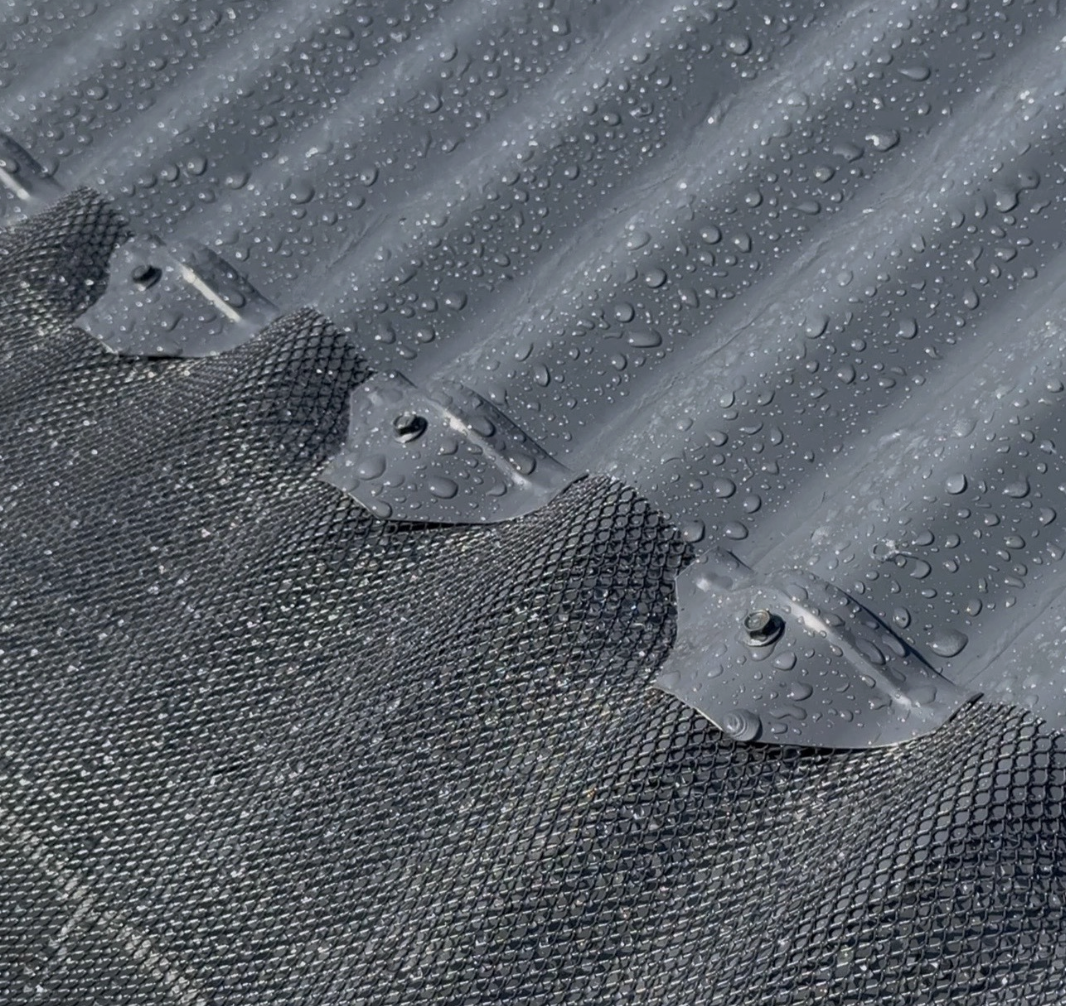
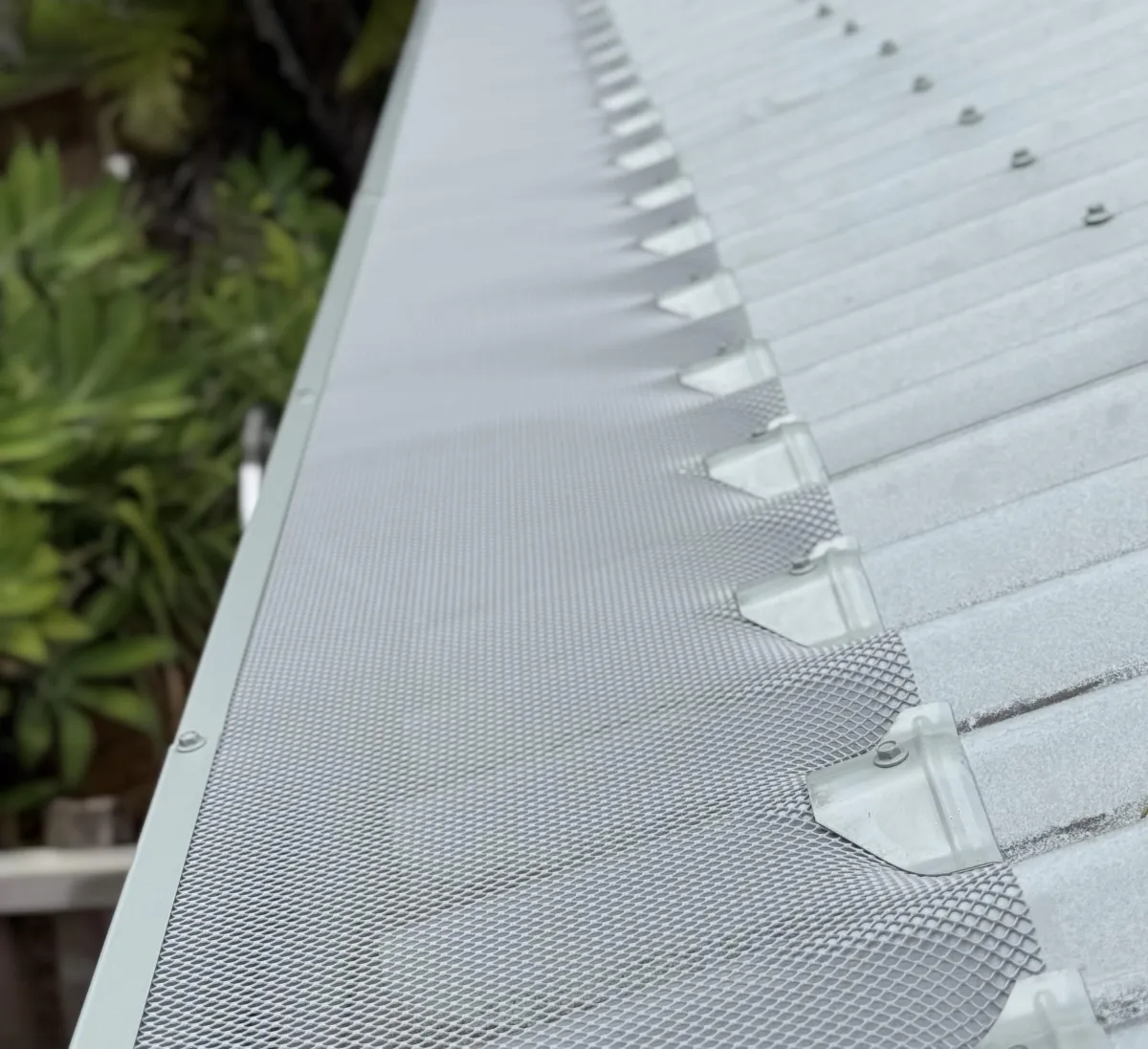
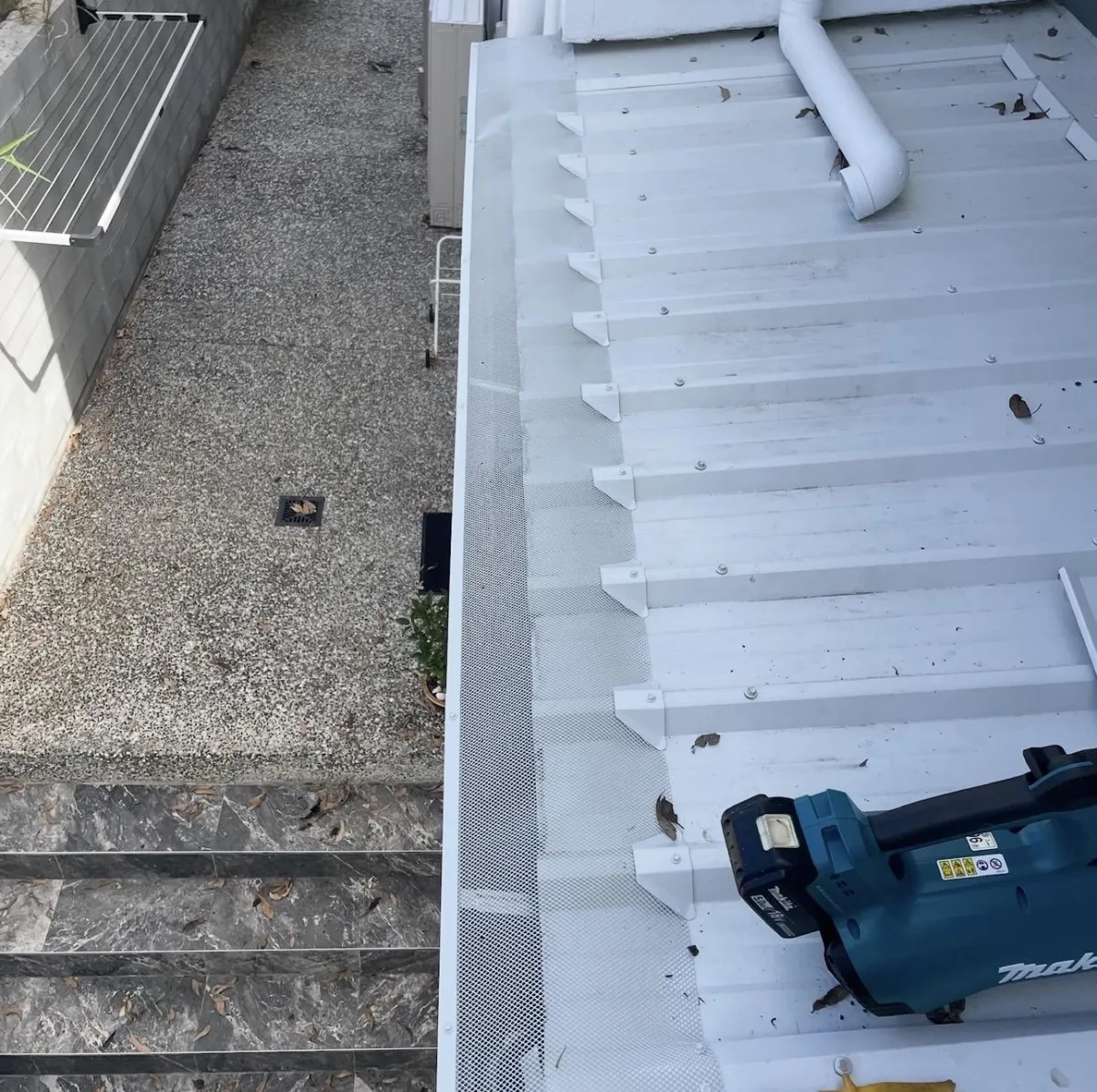
Expertise and Proper Fit: Professional installers have years of experience fitting gutter guards to all kinds of roofs and gutter profiles. They know how to achieve a secure, custom fit that a DIY approach often can’t match. Our team, for example, uses specific techniques for each roof type – whether it’s a corrugated roof, tile roof, or Trimdek roof – to ensure the mesh is fitted tightly and correctly. DIY kits or clip-on guards are usually “one-size-fits-all,” which really means “one-size-fits-none” – they often don’t sit right on any roof. Misaligned or loosely attached guards leave gaps for leaves and pests to slip through. A pro will custom trim and secure the mesh so every inch is covered properly, including tricky corners, valleys, and downpipe openings.
Better Hardware & Techniques: Professionally installed systems use high-quality hardware – like Colorbond® matched screws, saddles, and brackets – to firmly attach the mesh. These ensure the guard stays put in high winds and heavy storms. DIY guards often rely on flimsy plastic clips or double-sided tape. It’s common to hear of clip-on guards blowing off the gutter during a storm or collapsing under weight. A good installer will also pre-clean your gutters (often providing a free gutter clean before installation) so the new guards start on a clean foundation. They’ll then attach the mesh with proper tension and support, sometimes using a continuous fastening technique that a DIY kit can’t replicate.
No Roof Damage or Safety Risks: Climbing on your roof without proper training or safety gear is dangerous. Professional installers are licensed, insured, and trained to work at heights safely. They also know how to install guards without causing damage – for instance, not lifting roof sheets too far or breaking roof tiles. DIY attempts can inadvertently crack a tile or scratch Colorbond roofing, leading to costly repairs or leaks. And let’s not forget the personal risk – falls from roofs are a serious hazard. Hiring a professional protects both your roof and yourself.
Time and Convenience: What might take a novice an entire weekend (or longer) to DIY, a professional team can accomplish in a few hours with better results. Instead of struggling with ladders and tricky roof bits, you can relax and know it’s done right. Plus, a pro will take away any debris and old materials, leaving your property clean.
Warranty & Support: Perhaps one of the biggest advantages: professional installation usually comes with a workmanship warranty in addition to the product warranty. For example, we provide a 20-year warranty on our gutter guard installations – covering you in case anything ever needs adjustment. If you DIY and something goes wrong, you’re on your own to fix it. With a professional, you have ongoing support and someone to call if you have questions or issues. That peace of mind is priceless.
Overall, good gutter guard systems are installed by experienced professionals who ensure everything is done correctly and safely. Bad gutter guard setups are often DIY or clip-on jobs that might save a bit of money upfront but often lead to frustration, frequent maintenance, or even damage down the line. When it comes to protecting your home, the investment in professional installation is well worth it.
Profile-Matched Fit vs Universal Fit Guards
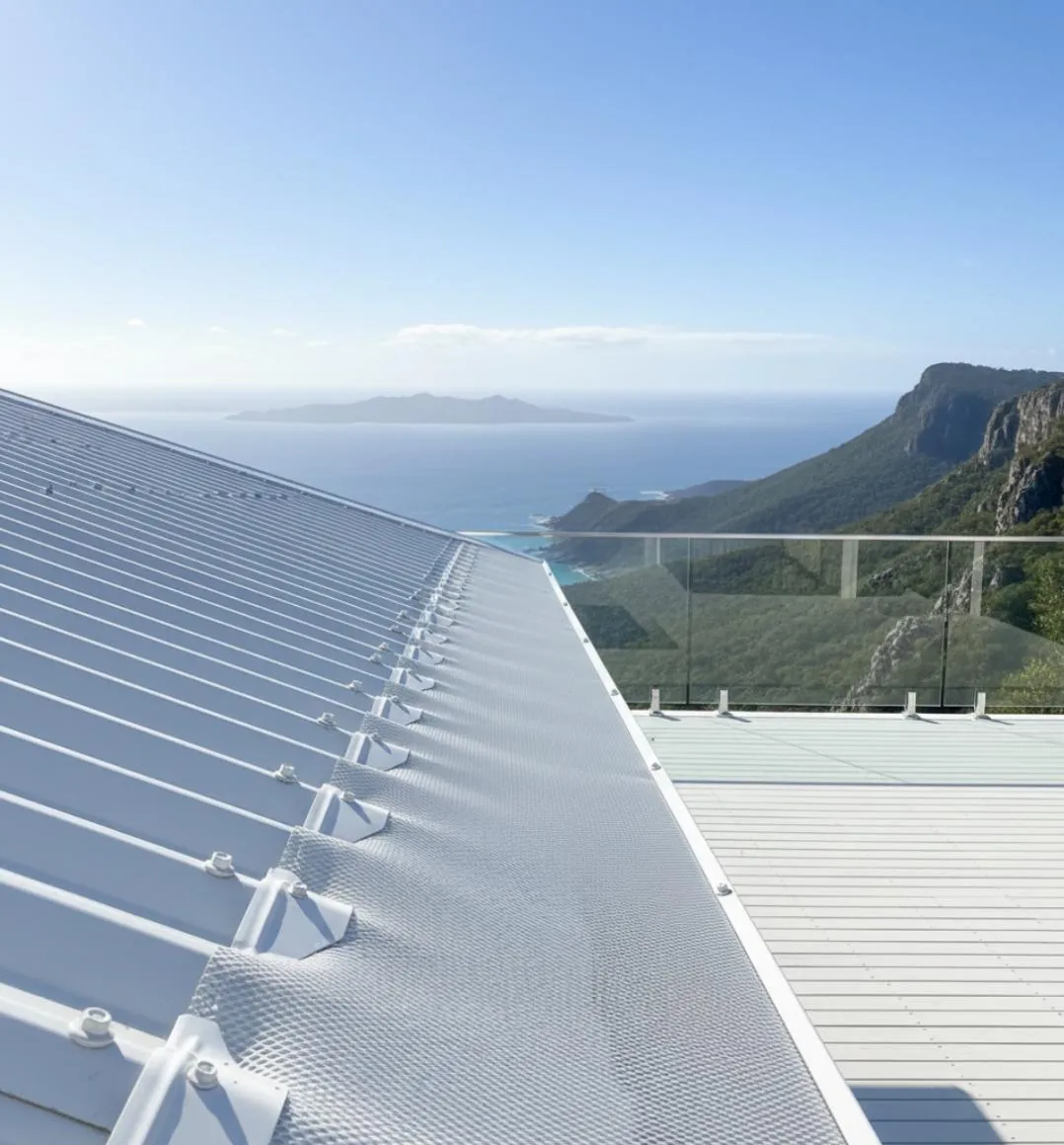
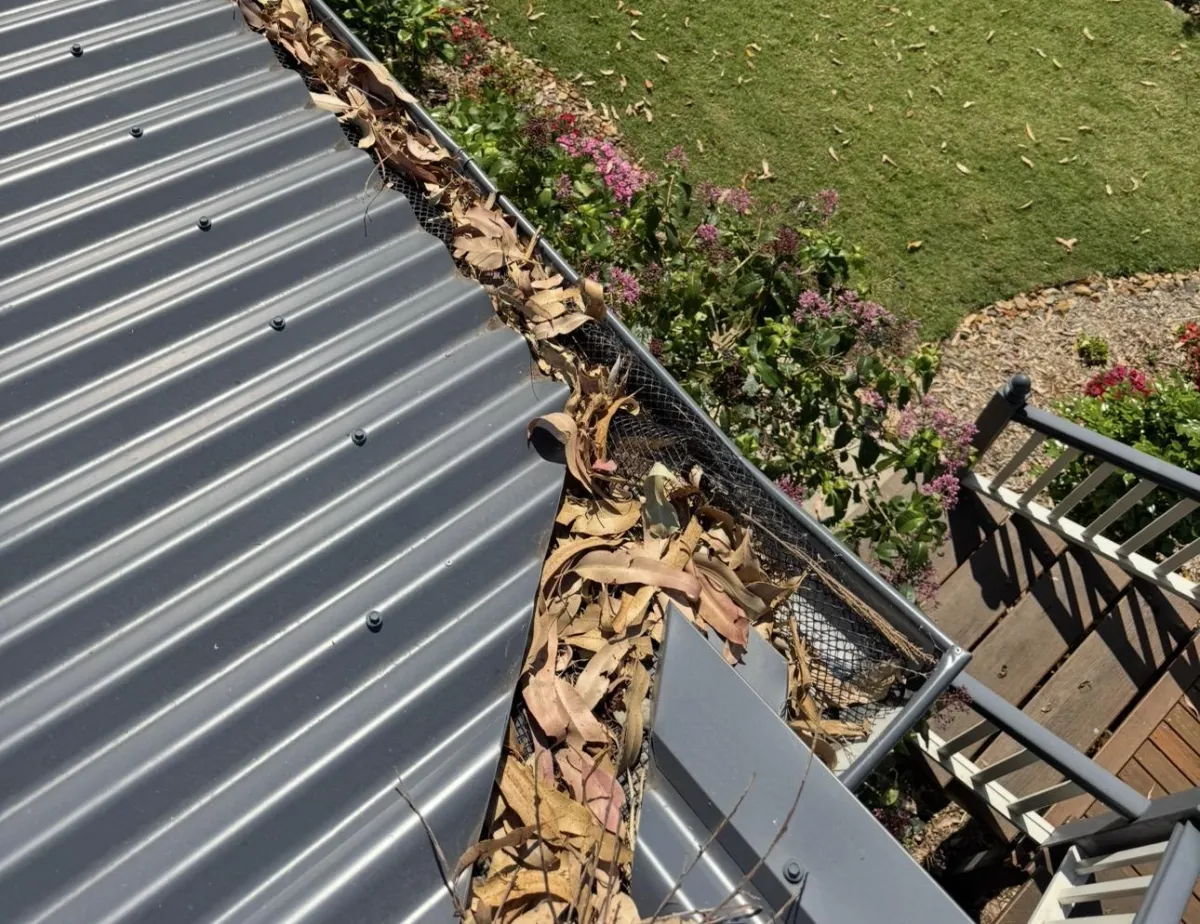
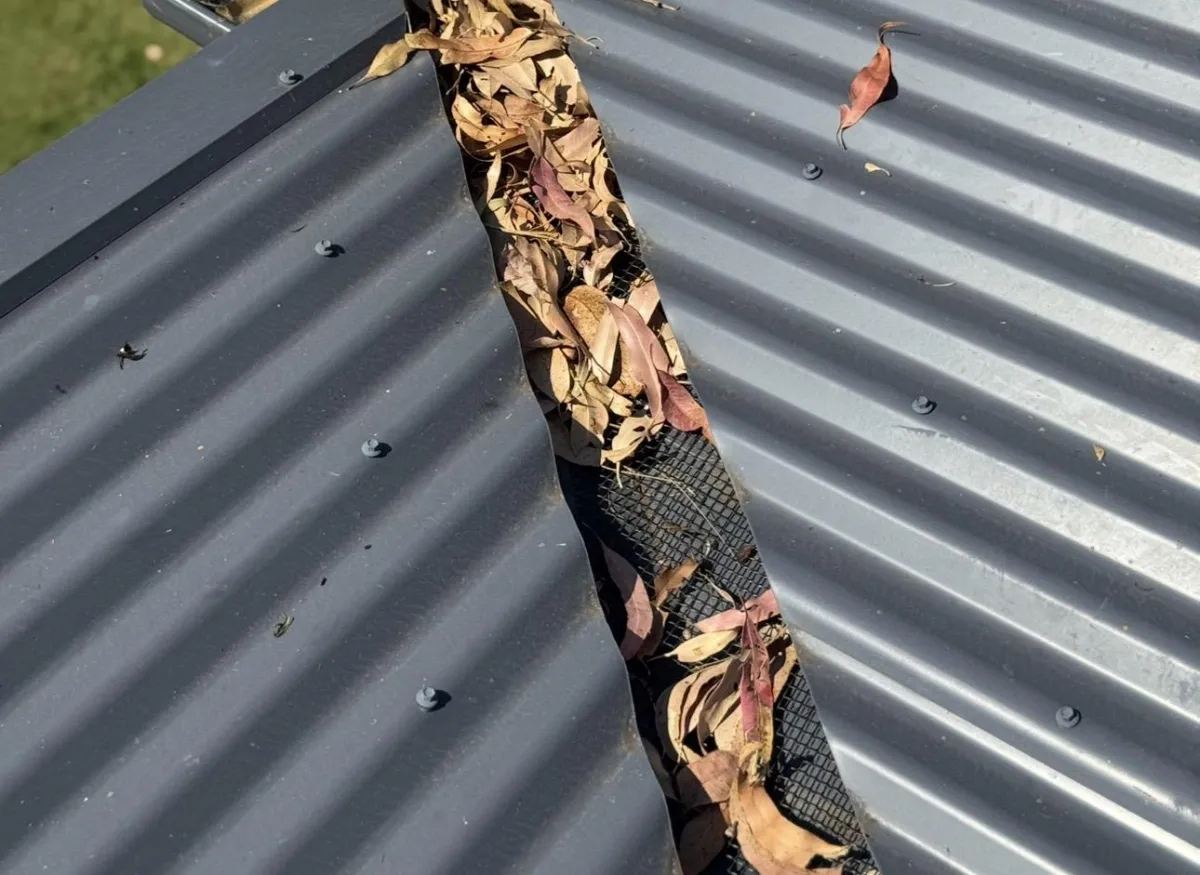
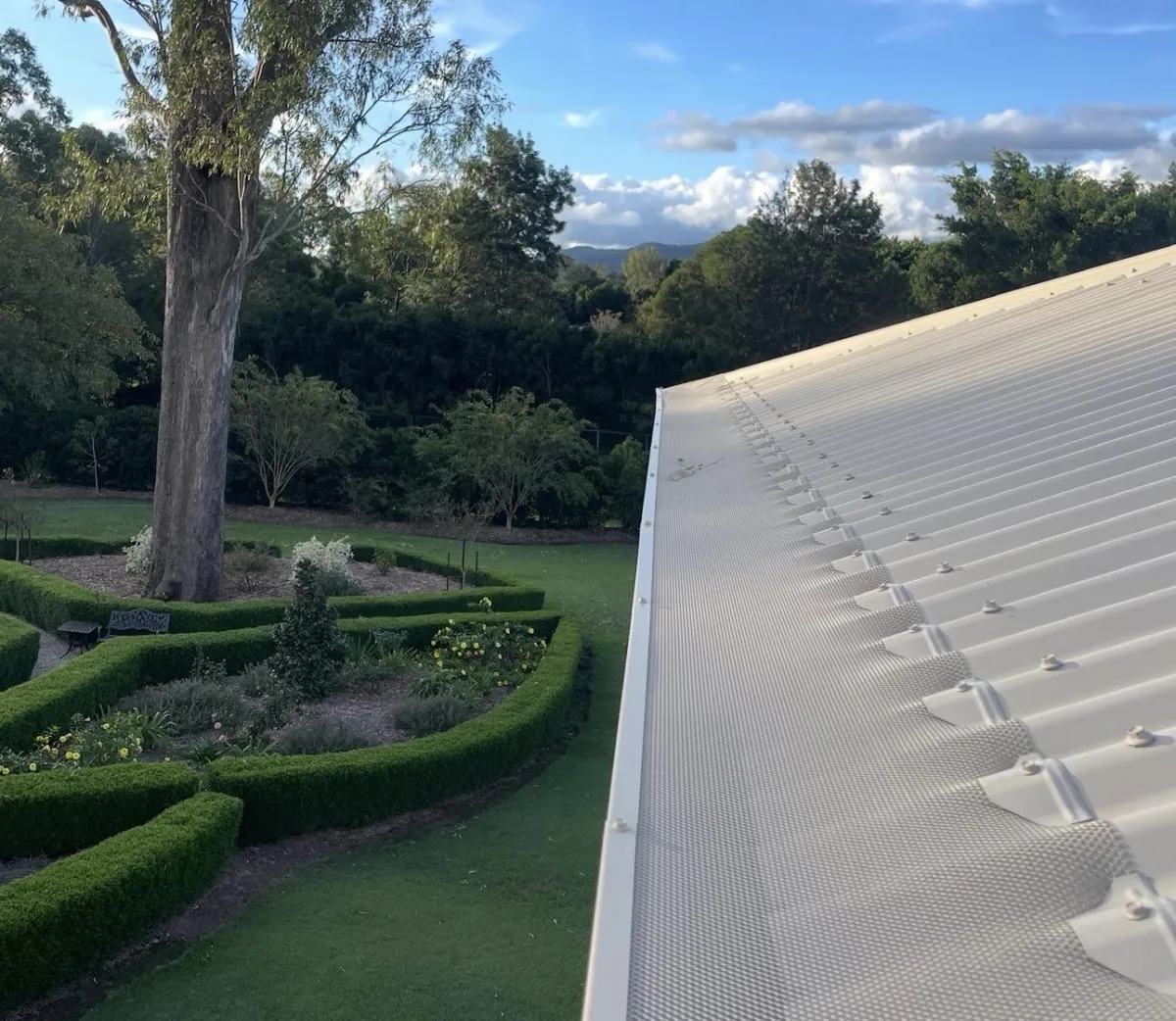
Have you ever seen a gutter guard sticking up awkwardly or with gaps along the roof? That’s often the result of a “universal” fit guard that doesn’t truly match the roof. A profile-matched fit is a hallmark of a good gutter guard system, whereas a poor system tries to use one generic design for every situation.
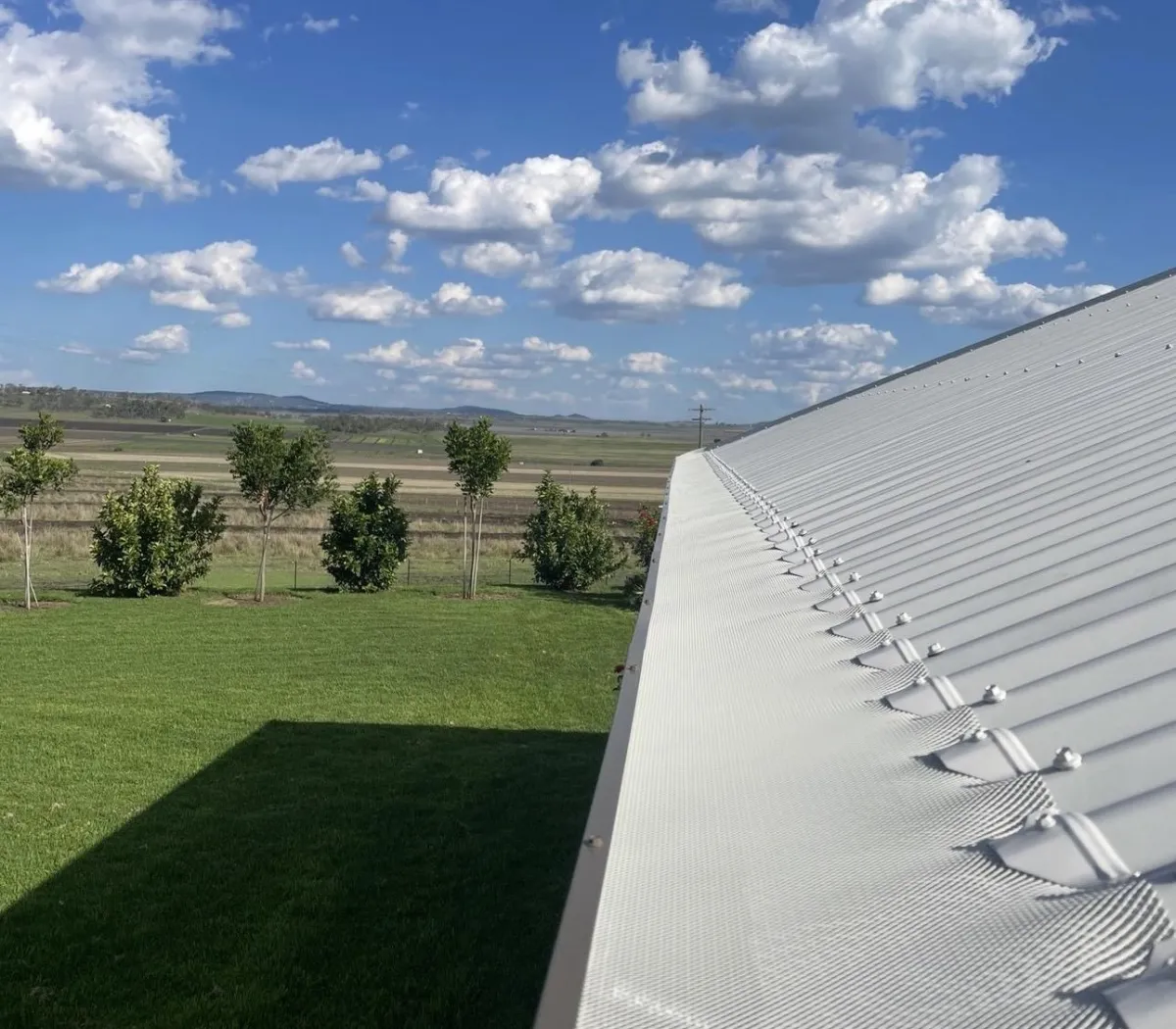
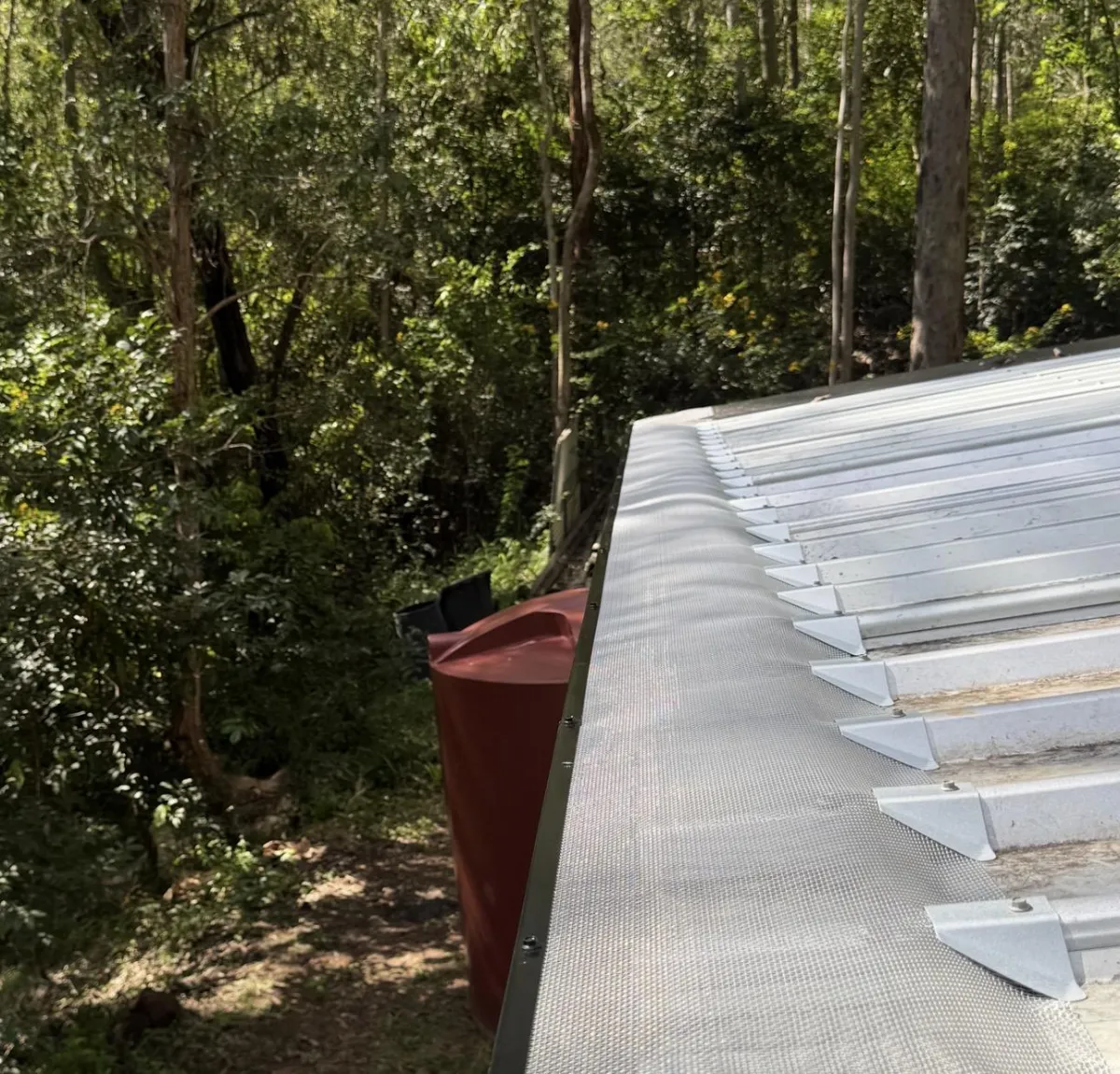
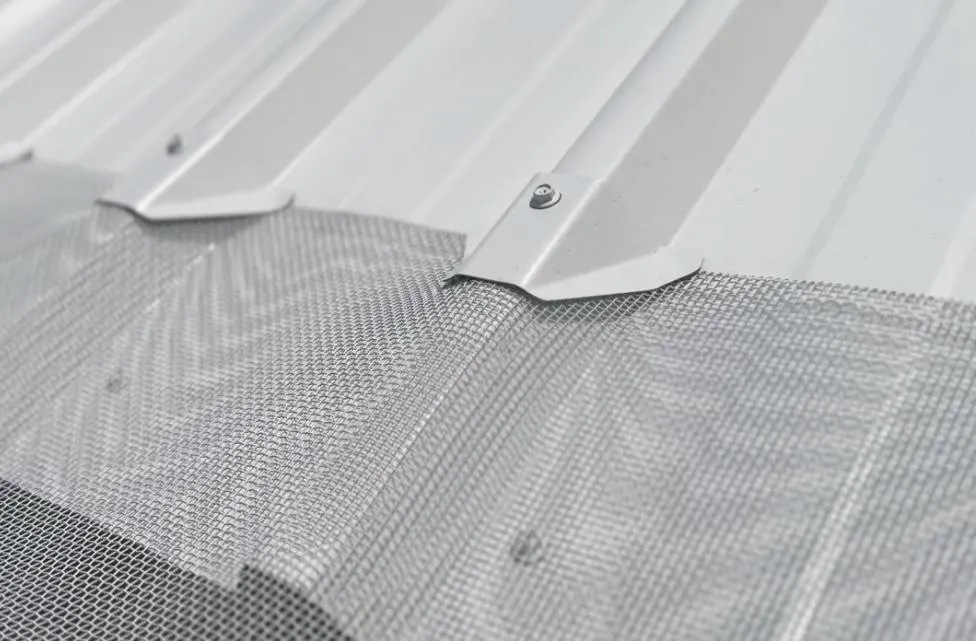
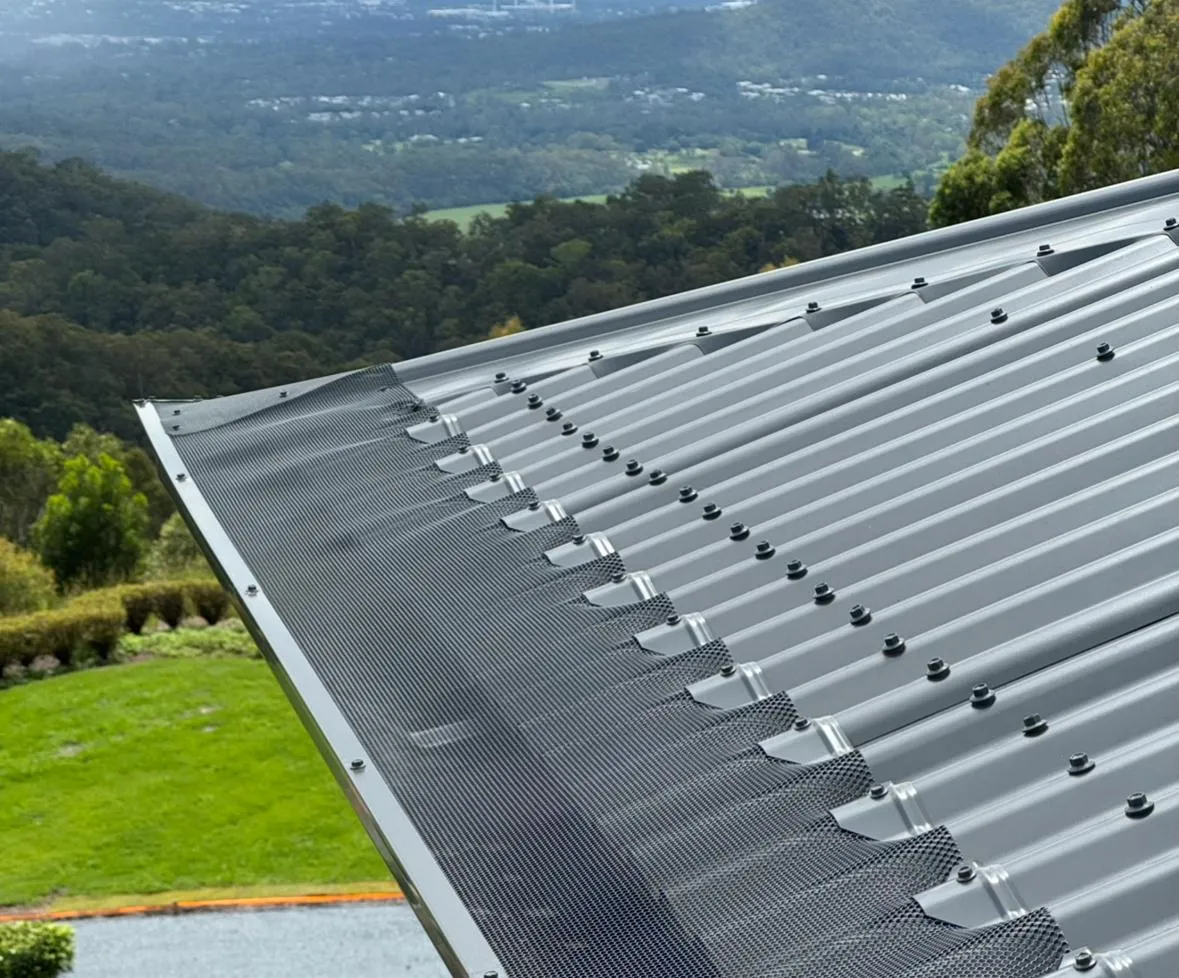
Seamless Integration with Roof Profile- Quality gutter guard installations use mesh and trim pieces designed for specific roof profiles. Your roof type – be it corrugated (also known as custom orb), tile, Trimdek, Klip-Lok, etc. – has its own shape and challenges. A good system comes with matching attachment components (like saddles, valley mesh, or trim flashings) that contour perfectly to that shape. The result is a flush finish. The mesh runs in line with your roof, creating a smooth “ski slope” from roof to gutter lip. This not only looks neat but allows leaves to slide off easily. By contrast, a universal-fit guard (often a flat piece of mesh or a brush/foam insert) can’t achieve that seamless look. You might end up with edges that stick up or sag, disrupting the roofline.
No Gaps or Weak Points- When the fit is tailored to your roof, there are no odd gaps at the gutter corners, along the ridges, or around fixtures. For example, with our profile-specific approach, we ensure no gaps for birds or pests – every edge is secured, even around tricky areas like gutter joins or skylights. Universal guards often leave small openings here and there (because a flat mesh can’t mold perfectly to every bump and curve). Those gaps become entry points for birds, mice, and insects, or catch points for leaves. A properly fitted guard, custom to the profile, eliminates these weak spots.
Optimised Water Flow- A profile-matched gutter guard also maintains the correct pitch and spacing for water flow. For instance, on a corrugated roof, we use corrugated “saddles” that elevate the mesh over each corrugation crest at just the right height – this ensures water can flow in, and debris flows off. A one-size-fits-all guard might sit too low or too high in spots, causing either overflow or pooling. With the right fit, water is channeled smoothly into the gutter, even in heavy downpours, reducing overflow risk.
Designed for Each Gutter Type- Not only roof profile, but gutter style matters. Quality guards are designed to work with typical Australian gutter styles (e.g., quad gutters, half-round gutters, box gutters). The mesh width and installation method will adapt to whether your gutter is wide or narrow. A universal product might be too narrow for a wide gutter or wastefully oversized for a small gutter, again affecting performance. Profile-specific systems ensure you get the perfect coverage and tension regardless of gutter shape or size.
In summary, good gutter guard systems are custom-fitted to your roof and gutters, appearing almost as if they were part of the original roof design. Bad systems often rely on a universal fit, which usually means compromising on fit and function. Before you choose a gutter guard, check that it’s tailored for your roof type – or better yet, have our experts assess your roof and recommend the ideal profile-matched solution. (You can also view examples of various roof installations in our gallery to see how seamless a proper fit can be.
Tested and Warrantied vs Unknown Short-Life Products
A critical difference between high-quality gutter guard systems and the cheap alternatives is the testing and warranty behind the product. Simply put, a “good” gutter guard comes from a reputable source with proven performance data and a solid warranty, whereas a “bad” one is often an unknown brand that hasn’t stood the test of time.
Proven in Australian Conditions- Top gutter guard products are designed and tested for Australia’s environment. They undergo testing for UV exposure (to ensure they don’t embrittle in the sun), for high winds (so they stay put during storms), for heavy rainfall (to ensure adequate water throughput), and even for compliance with bushfire ember guard standards. When you choose a quality system, you’re getting a product that has likely been refined and improved over years, and used on thousands of homes successfully. In contrast, many cheap gutter guards (especially those bought from big-box stores or online marketplaces) have little to no performance testing. They may be generic imports that aren’t built for our climate – meaning they could fail when exposed to extreme weather or simply not perform as advertised.
Longevity & Warranty- A reputable gutter guard will be backed by a long-term warranty, because the manufacturers and installers trust it to last. For example, our aluminium mesh and fixing systems come with up to a 20-year product warranty, and we pair that with a 20-year workmanship guarantee for installations. This kind of warranty gives you confidence that your gutter guards truly have a long lifespan – the company wouldn’t offer it if they expected failures. On the flip side, a DIY or no-name gutter guard might only have a 1-year warranty, or none at all. That’s a red flag. If the product is expected to last 10+ years on your roof, the maker should be willing to stand behind it. The lack of a warranty often means the product is expected to deteriorate in a short time, leaving you with the cost of replacement.
Compliance and Certification- High-quality gutter guard products often come with certifications – for example, certification for use in bushfire zones (meeting AS3959 requirements for ember guards), or compliance with rainwater harvesting safety (for potable water collection), etc. These certifications are proof of quality and safety. Cheaper products rarely have this; they haven’t been through the certification processes, which again means you’re taking a gamble on their effectiveness. If you live in a bushfire-prone area or plan to collect rainwater from your roof, using a tested and certified gutter guard is essential.
Support and Parts Availability- Another consideration is the support behind the product. Good systems are usually provided by established companies or installers who can offer ongoing support, spare parts, or extensions in the future. For instance, if a section of your roof is renovated or you add solar panels, you can get matching gutter guard components to adapt. With unknown or discontinued products, you might find it impossible to get replacement sections or help, effectively rendering your whole system useless if a part fails. Sticking with known brands (like those available through trusted suppliers such as Gutter Guard Warehouse) ensures you have access to parts and expert advice down the track.
In the end, investing in a tested, warrantied gutter guard system means you’ll only have to do the job once. It’s the “set and forget” approach – aside from occasional maintenance, you won’t be up on the ladder replacing failed guards every couple of years. Cheap, unproven gutter guards are a risk – they might clog, fail or break, and you’ll be back to square one, possibly with gutter or water damage as a consequence. Always check the warranty and ask about testing data when comparing gutter guard options.

Choose Quality Gutter Guards for Peace of Mind
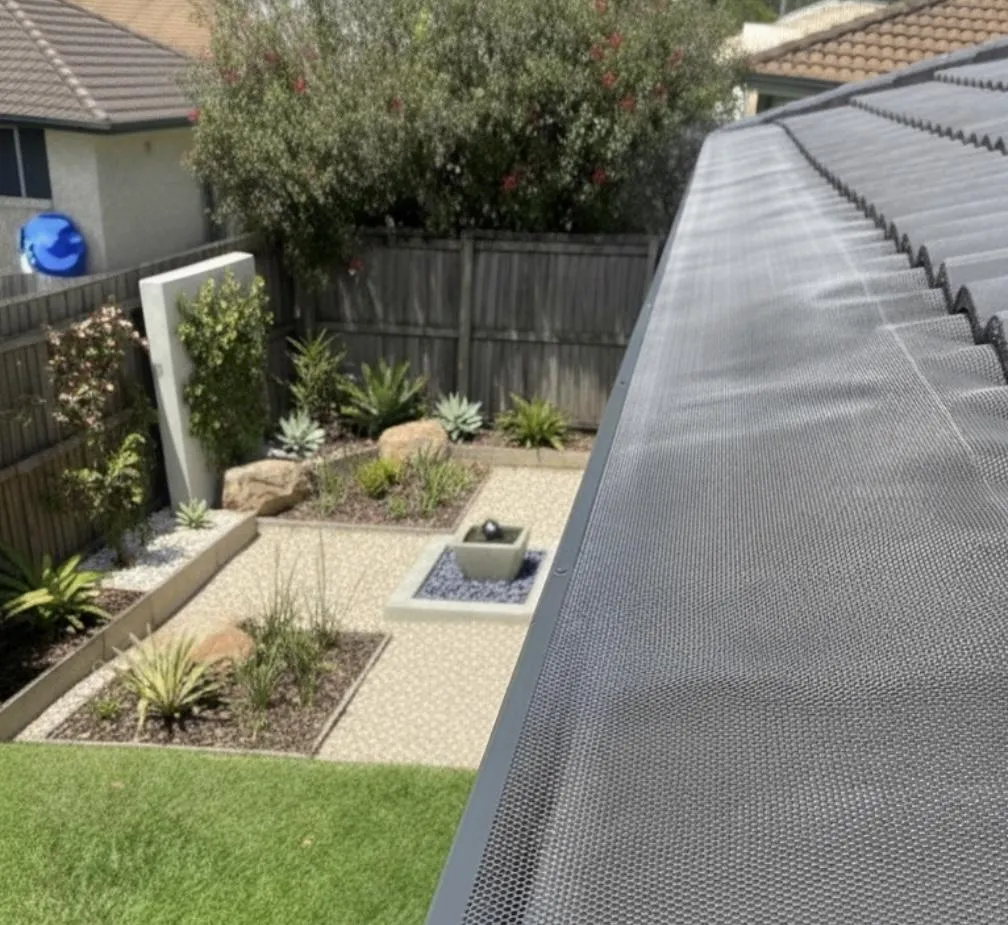
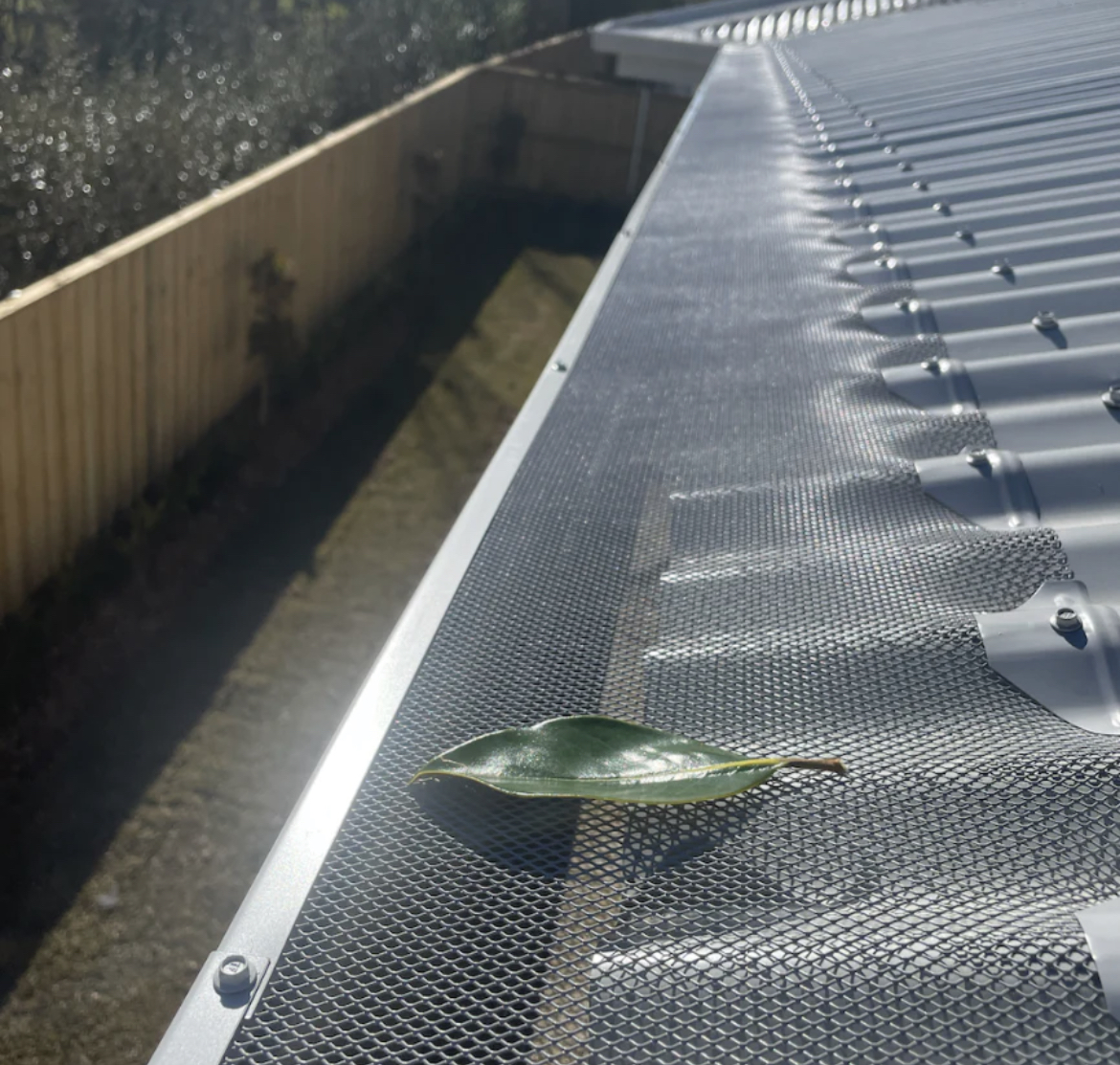
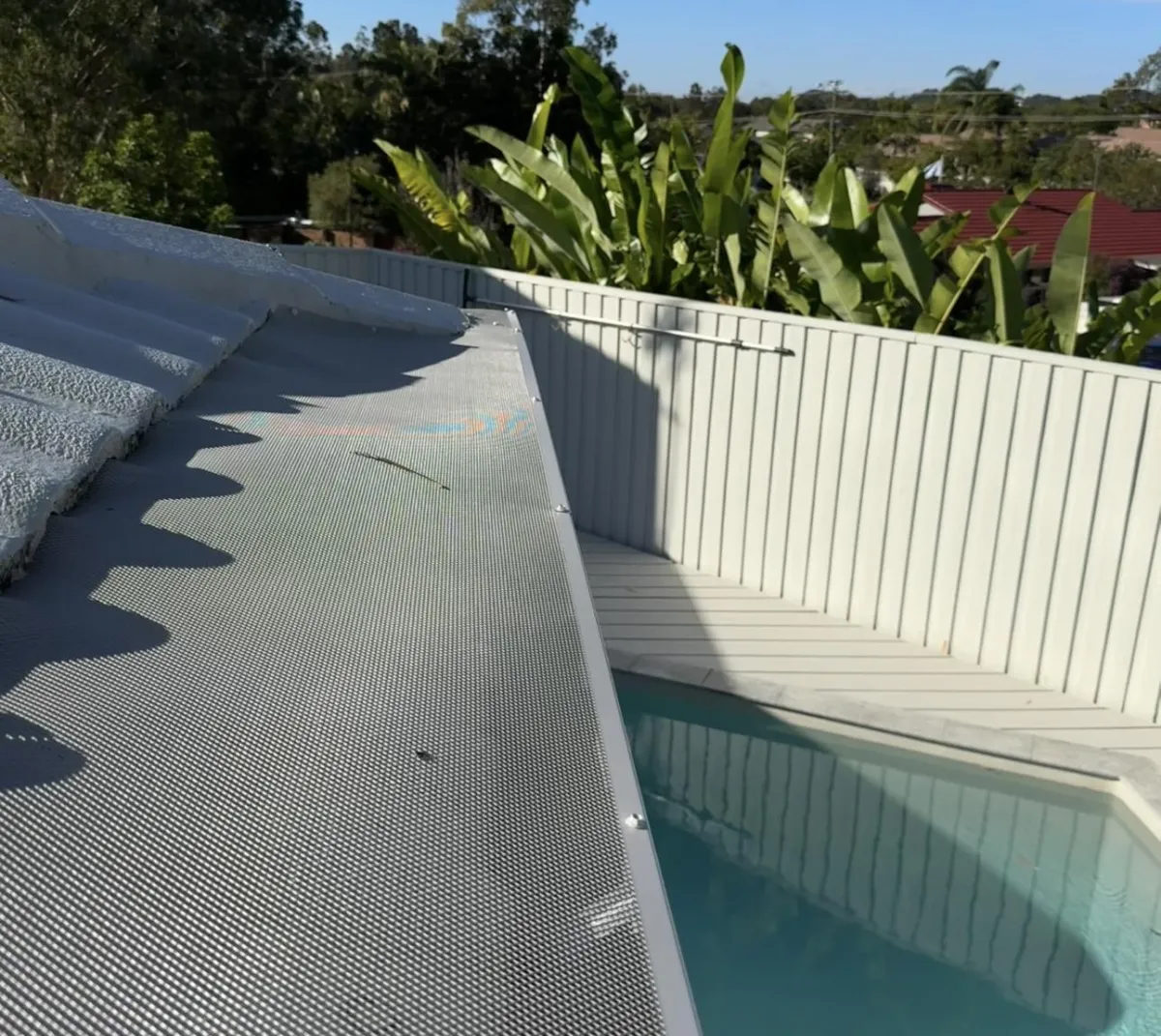
In summary, good gutter guard systems are custom-fitted to your roof and gutters, appearing almost as if they were part of the original roof design. Bad systems often rely on a universal fit, which usually means compromising on fit and function. Before you choose a gutter guard, check that it’s tailored for your roof type – or better yet, have our experts assess your roof and recommend the ideal profile-matched solution. (You can also view examples of various roof installations in our gallery to see how seamless a proper fit can be.)
After looking at the comparisons above, the verdict on good vs bad gutter guards is clear: investing in a high-quality, professionally installed gutter guard system will pay off immensely for your home. Not only do quality gutter guards last longer, but they also perform better every day – keeping your gutters clear of leaves, debris, and pests, and protecting your roof from water damage and fire risks. On the other hand, cheap or DIY alternatives often lead to frustration, added maintenance, and potential problems like pest infestations or overflow damage.
Your home deserves the best protection. By choosing a gutter guard system with durable aluminium mesh, a powder-coated finish, expert installation, and a solid warranty, you’re making a smart investment in your property’s longevity and safety. You’ll enjoy clean gutters year-round, fewer cleanings, and the confidence that you won’t have to worry every time it rains or the summer heat hits.
Ready to upgrade to a reliable gutter guard solution? We’re here to help. As Australia’s gutter guard specialists, our team at Gutter Guard Installer has years of experience fitting top-notch systems on homes just like yours. If you have any questions about gutter guards or want to explore the best options for your roof, check out our FAQ for more information or simply contact us. We’re happy to provide expert advice and a free quote tailored to your needs – just head over to our Get a Quote page to get started.
Don’t settle for a “bad” gutter guard that will let you down. Choose a quality gutter guard system and enjoy the peace of mind that comes with knowing your home is protected by the very best in gutter protection technology.
STILL NOT SURE?
Frequently Asked Questions
What defines a “good” gutter guard?
Non-combustible metal mesh, ≤ 4 mm aperture, sealed installation, and colour-matched, powder-coated components.
Common failures with “bad” guards?
Plastic melting, large apertures admitting embers, poor fixings, and gaps at edges/corners.
How do materials affect lifespan?
Aluminium won’t rust; stainless resists pitting. Both outperform plastics. See Gutter Guard Warehouse.
Will a cheaper guard cost more later?
Yes. We remove and dispose, then install a sealed 2 mm metal mesh system. Get a Quote.
Can I upgrade from an existing plastic screen?
Yes. We remove and dispose, then install a sealed 2 mm metal mesh system. Get a Quote
SERVICES
MORE INFORMATION
SERVICE AREAS
ABOUT US

© Copyright 2025. Gutter Guard Installer. All Rights Reserved.